
After-school Programs, a Boon for Learning, Could Face Trump Cuts


NPR reached out to the U.S. Department of Education multiple times for comment about which federal grants are proposed for cuts, and the rationale behind efforts to shrink the federal role in schools. Officials there did not respond.
In an earlier statement, Secretary of Education Linda McMahon wrote, “President Trump’s proposed budget puts students and parents above the bureaucracy … We must change course and reorient taxpayer dollars toward proven programs that generate results for American students.”
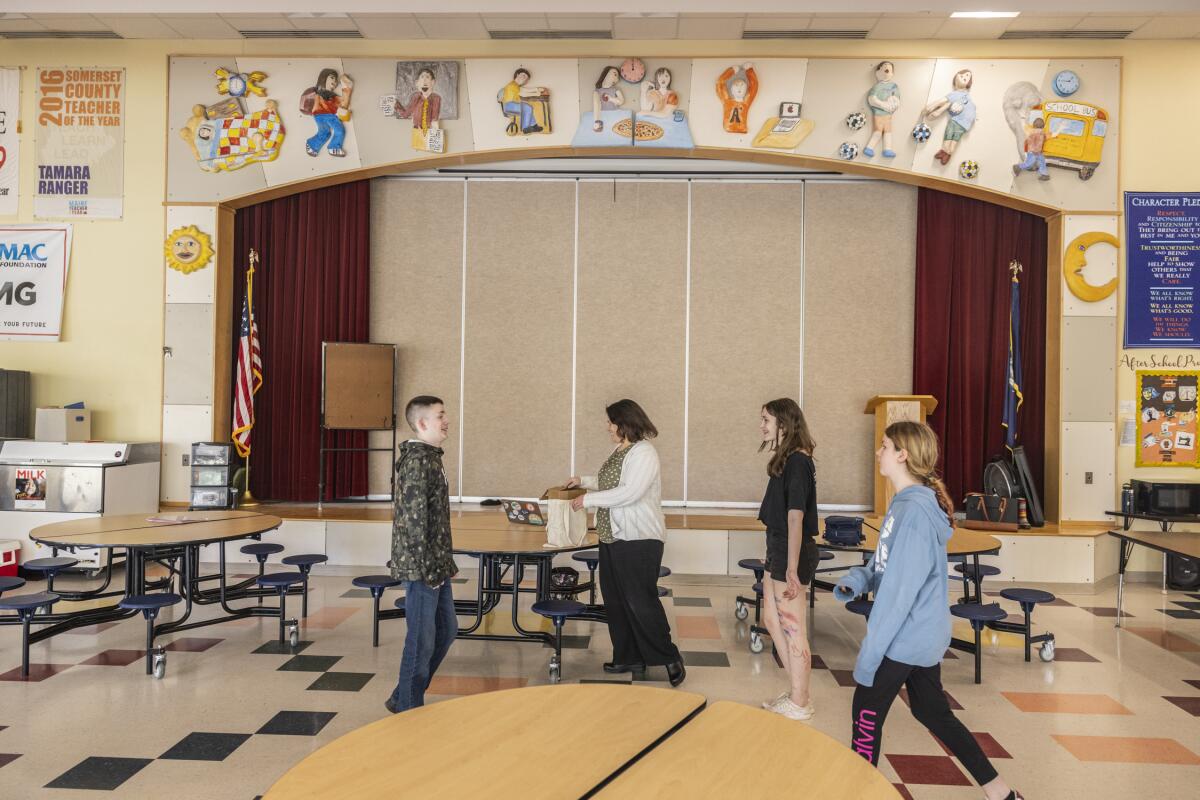
Dawn Fickett, the director of REACH in MSAD 54, says the loss of after-school programs would be a blow for students in the Skowhegan area, where the program has led to impressive academic and other gains. “Having a place for our youth to go to be engaged, sparking joy and learning, is a great way to keep kiddos off our streets and out of trouble,” she says.
Hedy Chang, who founded Attendance Works, a national nonprofit that seeks to combat chronic absenteeism in schools, says research has long shown that after-school programs can also improve student attendance during the school day, among other benefits.
“After-school programs can connect kids to needed resources like food, nutrition,” she says. “And make sure that they’re connected to something that engages them, makes them excited about learning.”
In Maine, schools are also facing other threats to federal funding, and will soon see school mental health services limited by federal cuts. Low-income and rural districts like MSAD54, which rely more heavily on federal funds, would be especially hard-hit.
“I almost can’t imagine our school district without a robust after-school program,” says Fickett. “I could see it really hindering the progress of our community if we didn’t have safe and supportive places for our youth to be, and places that help support their academic success.”
Exposure to new flavors, and experiences
The cooking club in MSAD 54’s after-school program is one of many enrichment options for students, but it remains the most popular.
Brenda Madden, a retired chef who has been running the club for four years, leads a lesson on table presentation and decor. The idea behind the class is to introduce students to cuisines from different cultures, culminating in the annual food festival the students host for the wider school community.
“Magic happens in the kitchen,” says Madden. By introducing new flavors, cuisines, and skills to her students, she says, “it’s taking away the fear of creating magic.”
Seventh-grader Dylan Kirk, who’s busy drizzling croissants with melted chocolate and dried apricots, says he had never thought to combine these flavors until this lesson. “Miss Brenda told me to make it fancy, so I tried my best,” he says, as he presents the dish to the class.
Other students share that paprika, stuffed zucchini and mint-chocolate shamrock shakes are among the flavors and dishes they had never tried until Madden’s class.
“In the beginning of their culinary experiences, they would say ‘I want chicken nuggets and french fries for supper,’ ” says Fickett. “After a year of cooking with Brenda, they will be able to tell you that they would love to whip up paninis with a variety of cheeses, meats or veggies; or making brownies with rosemary or mint.”
On top of encounters with novel foods, Madden says her class is an opportunity to learn about nutrition. “I tell these kids, when you get groceries with your folks, instead of buying a bag of chips, which is two to three dollars, look at a fruit you’ve never tried before.”
Madden says there’s another extra draw for students in the cooking club: “Kids are hungry. They know they’re going to have something to eat here,” shes says.
That hunger combines with the satisfaction that they created the meals they get to enjoy. “We always test our own product,” says sixth-grader Molly Fitzpatrick.
Meeting academic goals while having fun
Before the REACH students split off into their various clubs, they have their noses in books and worksheets—it’s a dedicated 30 minutes for finishing homework after school.
“At the middle school,” Fickett says, “teachers report they see a 90% increase in homework completion with their kids who attend our program.”
Part of what has made her program successful is collaborating with school-day teachers to create continuity in the after-school program, she explains.
At the elementary school level, Fickett and other staff members give extra support to the youngest students with the goal of closing academic gaps early.
Last year, she says, “in our kindergarten through 2nd grade after-school program, 37 out of our 38 [low-performing] students showed improvement in literacy.” She saw similar gains for upper-elementary students.

Chang, of Attendance Works, says this kind of collaboration can make a big difference. “Students can get access to extra resources and support, to learn an academic concept, or have a different, more hands-on approach to learning,” she says.
All the clubs in Fickett’s after-school program incorporate academic goals. In fact, it is one of the requirements of the federal 21st CCLC grants.
In Madden’s cooking club, for example, students practice math by adding, subtracting and multiplying for recipes. They meet science goals, such as observing chemical reactions between ingredients. It’s almost like the learning is snuck into the fun.
At the same time, after-school programs also help develop students’ abilities to work together, building essential non-academic skills.
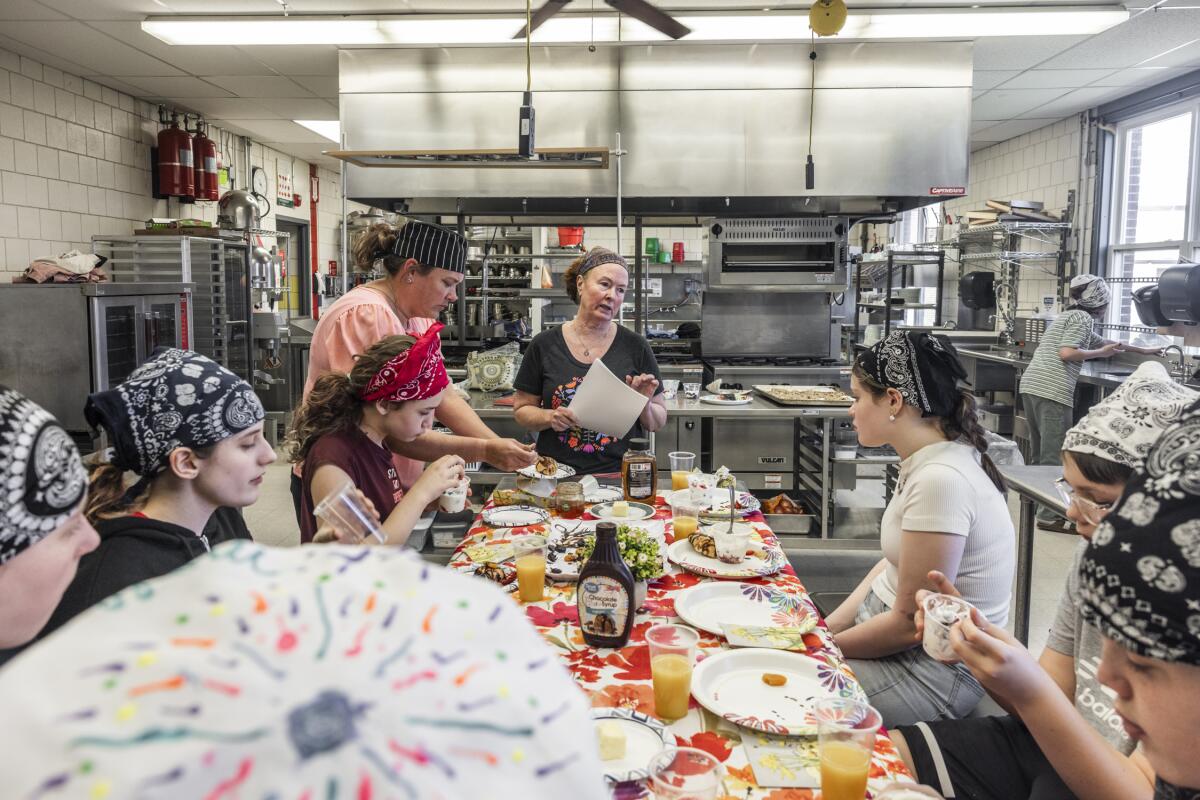
“What Brenda does really well is establish from the beginning how we work best together as a group, how we communicate, how we problem-solve,” says Fickett. “And that really just reinforces those social, relational skills that our youth absolutely need.”
Attending school is also a requirement for attending the after-school program. Sixth grader Molly Fitzpatrick thinks it’s a smart system, “because I’ll be excited to go to school on Monday because I don’t want to miss cooking.”
A free, essential service for parents, too
Seventh-grader Dylan Kirk’s mother, Cynthia Kirk, picks him up after she finishes her workday as Skowhegan’s waste-management supervisor. “We work full time. Sometimes I’ve worked multiple jobs, my husband as well,” she says.
It’s been a huge benefit for Dylan to take part in REACH — something he’s done since the program got its start in 2019.
“He’s actually been experiencing a lot of different things that he probably normally wouldn’t be able to without the after-school program,” Cynthia says.
She describes her son as a “hands-on kid” who learns concepts better by practicing them in a tangible way rather than abstractly, in the classroom. The after-school activities have allowed him to do just that.
“I just like building stuff,” says Dylan, whose favorite after-school club is robotics, although cooking club is a close second.
“He’ll come home with recipes and say ‘Mom, can we make this? Can we try this? This was really good,’ ” says Cynthia.
Now, Cynthia says she’s concerned: “When it comes to the kids, this should be last on the list of things to be cut. So many kids need these programs. They need a place to go after school. Daycare is very limited for families after a certain age.”
Dawn Fickett says she has already been working to obtain funding from local businesses and other donors to find ways to keep the after-school program operating.
A child’s life, she says, doesn’t simply end when the dismissal bell rings at school. “In this district, we don’t look at school and after-school as separate … we are a vital part of a child’s school day.”