Fruity Notes in Perfume and How They’re Made – Experimental Perfume Club

By Emmanuelle Moeglin, Founder & Perfumer
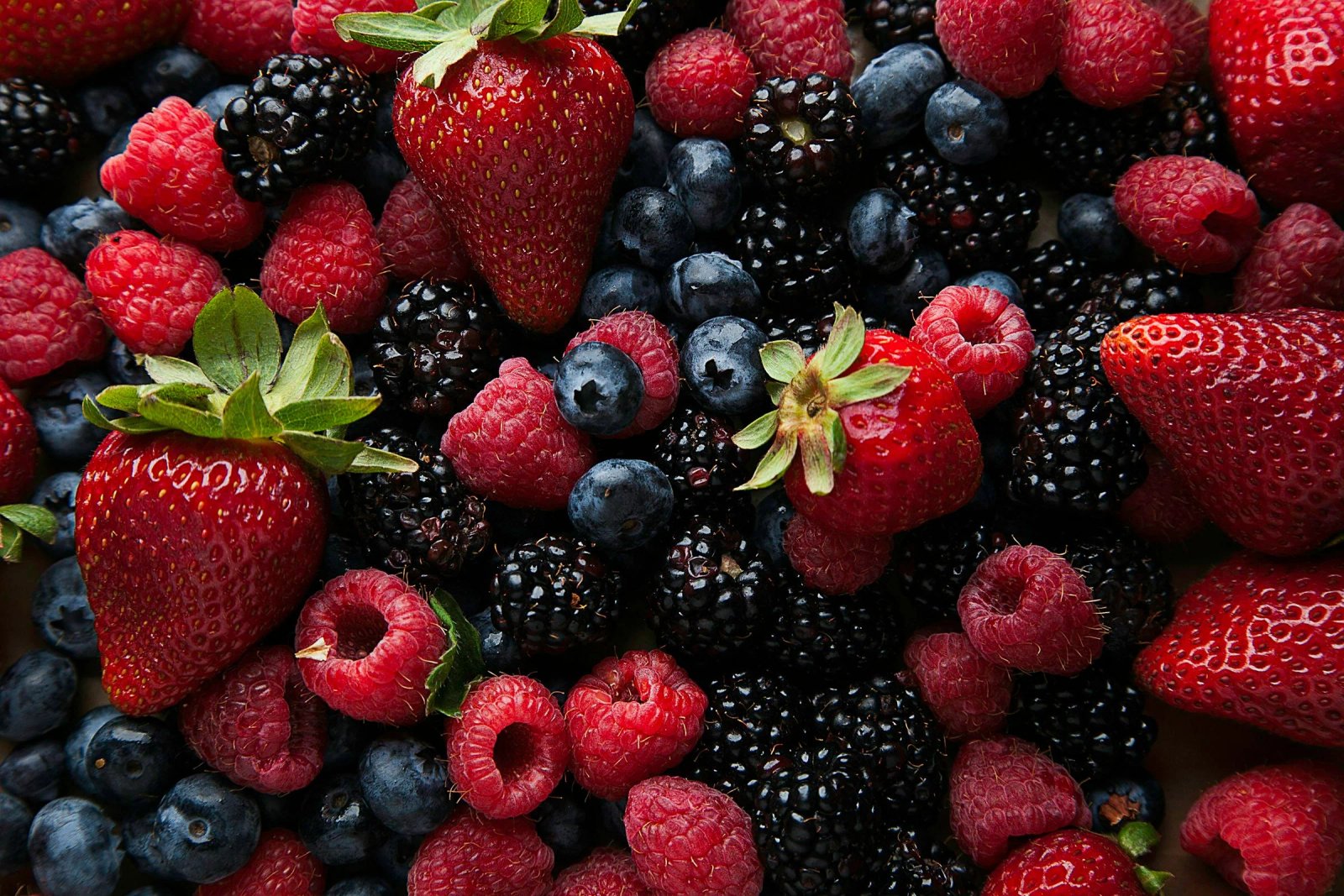
Fruity notes are some of the most joyful, juicy materials in the perfumer’s palette, and an essential part of countless fragrances. Here is the catch: fruit has always been almost impossible to extract, so perfumers learnt to recreate those smells with molecules.
The one exception is citrus, which is pressed from the peel and is not really counted as a “fruit” note in perfumery. New extraction methods are starting to capture real fruit, from CO2-extracted strawberry to apple notes recovered from juice, but almost every fruity note you smell is still built from molecules. Let me take you through five of the most famous fruity materials and how they are used.
How to create fruity notes in perfume
It almost always takes several materials to build a convincing fruit. Take apple: we use a few fruity molecules, but to capture all its nuances we borrow from other families too, a green note like cis-3-hexenol and a floral one like Damascone Beta. Push the green, tart side and you get green apple; push the sweet, jammy side and you get red apple. That balancing act is the heart of accord-building.
Fruit has always resisted extraction, so the perfumer must recreate it.

Juicy, sun-warmed fruit, rebuilt from molecules.
The chemistry behind fruity notes
Most fruity materials fall into a few molecular families, and knowing them helps explain why each smells the way it does. Esters are the bright, juicy, “sweet shop” molecules behind pear, apple and banana, light and volatile, so they sparkle at the top and fade fast. Lactones are creamier, waxier and longer-lasting, which is why peach and coconut feel rounded and lingering. Ketones like raspberry ketone bring a deep, jammy richness, while aldehydes and green molecules add the tart, just-picked edge. A convincing fruit usually combines two or three of these.
Which molecule for which fruit
A quick reference to the key materials perfumers reach for, and the family each belongs to:
Fruit · Family
Key molecule · Character
Aldehyde C14
Creamy, soft, stone-fruit
Aldehyde C18
Exotic, sun-cream, beachy
Raspberry ketone
Deep, powdery, jammy
Benzyl acetate, isoamyl acetate
Sweet, tropical, fresh
Melonal
Watery, fresh, marine
Ethyl 2-methylbutyrate, hexyl acetate, cis-3-hexenol
Crisp green to sweet red
Pear ester (ethyl decadienoate), hexyl acetate
Juicy, green-waxy, translucent
Allyl amyl glycolate
Juicy, sparkling, tropical
Ethyl maltol, Aldehyde C16
Sweet, candied, jammy
Cassis base, buchu
Tart, green, sulphurous edge

Five favourite fruity materials
01 · Peach
Aldehyde C14 (peach)
One of the most commonly used fruity molecules, smelling just like peach, and the backbone of stone-fruit accords such as plum and apricot. It also lifts the fruity side of white flowers like jasmine. Its creaminess comes from a quiet secret: despite the name, it is not chemically an aldehyde at all, but a lactone. Lactones are deep, fruity, creamy, waxy and extremely potent, so a little goes a long way.
Despite the name, it is not an aldehyde at all, but a lactone.
02 · Coconut
Aldehyde C18 (coconut)
Another lactone, and another that is not truly an aldehyde. It smells of coconut and instantly conjures sun cream, piña coladas and the beach. Beyond coconut accords, it adds an exotic richness to florals like gardenia, frangipani and tuberose. As with all lactones, it is strong, so start small.
03 · Raspberry
Raspberry ketone
In its pure form a crystal, raspberry ketone smells of raspberry with a deep, powdery, jammy quality. It is the key to a raspberry accord built with materials like fructone, ionone alpha and beta, and a touch of green cis-3-hexenol for natural tartness. It also enhances other red-fruit accords and adds a delicate sweetness to florals like violet.
04 · Banana, apple
Benzyl acetate
A natural molecule found in white flowers such as jasmine and ylang ylang, responsible for their tropical, banana-like facet. It makes a fresh, useful top note in exotic florals and helps recreate banana or apple in fruity compositions. Its floral-fruity character means it turns up widely in cosmetics and personal care too.
05 · Melon
Melonal
A fresh, watery molecule that gives the impression of melon. It is a staple of marine and fruity fragrances, and combined with calone and maltol it creates that familiar watermelon smell. Melonal is very strong and tricky to handle, so it must be well diluted and used sparingly, or its harsh, synthetic side shows.
Fruity notes in EPC scents
You will find these accords at work across our collection. Rose Rhubarb opens on a sharp, green rhubarb and blackcurrant leaf that cuts through jammy Moroccan rose, tart and juicy. Jasmine Osmanthus leans on osmanthus, naturally apricot-like, folded into creamy coconut for a sunlit, skin-soft warmth.
The Art of Blending
Two Essentials, one Blend
Keep exploring
More from the Journal
Frequently asked questions about fruity notes
Can you extract a scent from fruit?
Traditionally, no. Apart from citrus, which is pressed from the peel, fruit has always resisted extraction. New methods such as CO2 extraction, and capturing aromas from fruit juice, are starting to change that, but most fruity notes are still recreated with molecules.
How do perfumers create fruity notes?
By combining several materials. A realistic apple, for example, needs fruity molecules plus green and floral facets working together.
What molecule smells of peach?
Aldehyde C14, which is actually a creamy lactone. It is the backbone of stone-fruit accords like peach, plum and apricot.
What molecule smells of coconut?
Aldehyde C18, another lactone. It evokes sun cream and the beach, and adds exotic richness to tropical florals.
Are fruity notes natural or synthetic?
Almost entirely synthetic, because fruit has always been so difficult to extract. Perfumers build the impression from carefully chosen molecules, with a few new natural fruit extracts now joining the palette.
Why do fruity scents feel summery?
They are juicy, fresh and uplifting, which is exactly why they come into their own in warm weather.
Emmanuelle Moeglin is the founder and perfumer of Experimental Perfume Club. Classically trained at ISIPCA, with 20 years in the fragrance industry, she is a member of the French Society of Perfumers, a multi-award-winning creator and a public speaker, and teaches perfumery from our central London lab.
Fancy building a fruity accord yourself? Learn the craft with our Fundamentals of Perfume Creation programme, or start experimenting with a Creation Set.

