
Assessment in Project-Based Learning (PBL) with Resources

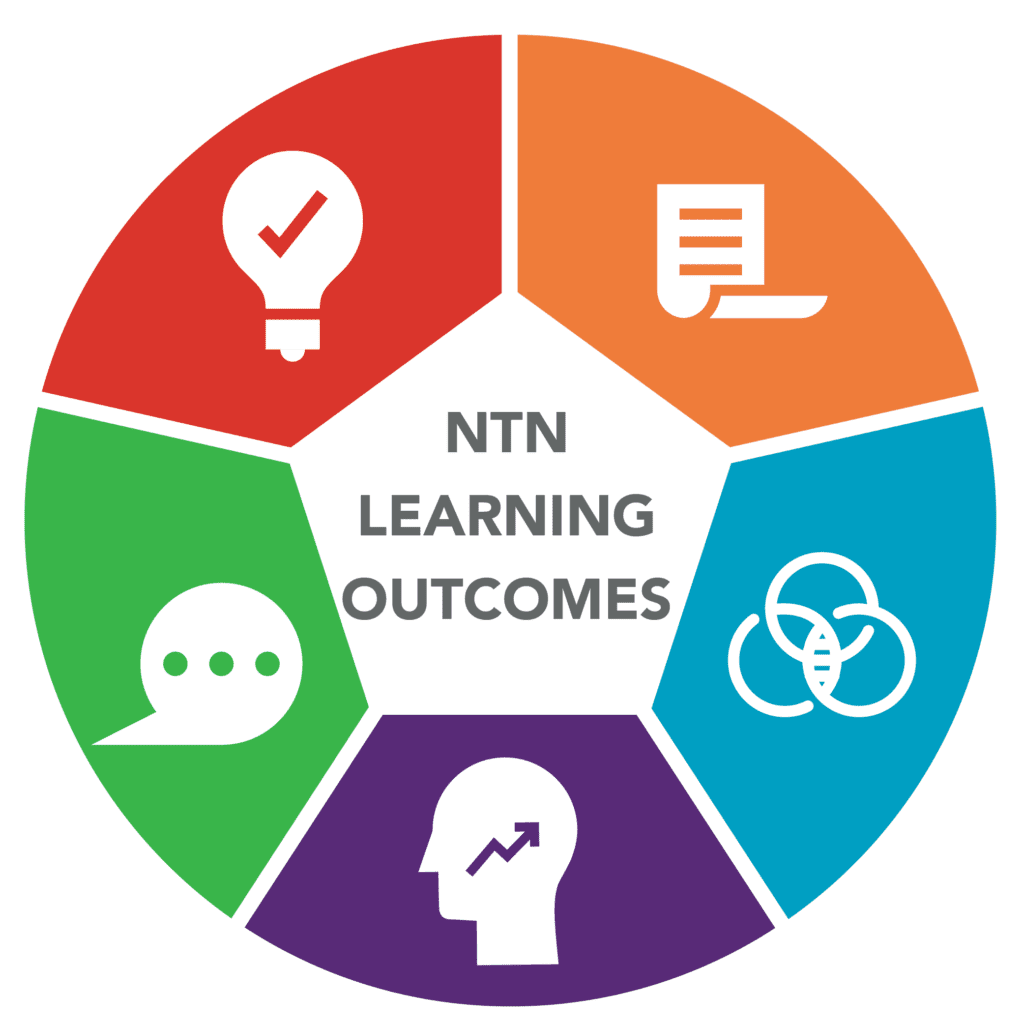
New Tech Network has designed Learning Outcome Rubrics to measure these outcomes in a way that helps students track their progress along a developmental continuum. Whether a student is just beginning to demonstrate collaboration skills or is proficient in oral communication skills, the rubrics give both students and teachers the feedback they need to continue growing.
By using these rubrics, we can go beyond surface-level assessment. Instead of asking, “Did the student get the right answer?” we ask, “How well is the student demonstrating this skill?” This deeper approach allows students to see exactly what skill they are proficient in and what they need to improve.
Feedback and Revision
Providing feedback to students on their performance is critical to their growth and development, but in order for feedback to impact student learning it needs to be timely, meaningful, and actionable. In more traditional classes the majority of feedback students receive comes in the form of grades and comments as summative feedback on assignments and tests. While this data gives students information about their performance, it is limited in how it can help motivate a student to take their learning to the next level. Just as PBL lets us move assessment into the middle of the learning process, it lets teachers situate feedback as part of students’ process of working through the project. Previously unread comments on a student essay take on new importance for the student when they are part of their feedback on a draft proposal, report, or other project artifact as part of a PBL unit.
The NTN Learning Outcome Rubrics do more than give students a score—they are tools for growth. For each outcome, a rubric or set of rubrics has been developed to help ensure that students are being provided with regular feedback on their growth and needs in each of these areas. They break down the key elements of each learning outcome and offer clear guidelines for what success looks like at each stage of development. This helps students become more self-aware and take ownership of their learning process.
Click the link to download samples of NTN’s Learning Outcome Rubrics.
Student Reflection & Self-Assessment
Measuring essential skills goes beyond the standardized test and should be grounded in a rubric that tracks how students progress in these skills to inform their learning. Effective measurement doesn’t just assess students, it provides a roadmap for improvement.
As students navigate “need-to-knows” and potential next steps related to those “need to knows”, they are engaged in continual reflection and self-assessment which makes them an active participant in the formative assessment process.
In a student-centered environment, all students take an active role in their learning. This takes on many forms including allowing students to give and receive feedback so that reflection and revision on their work can occur.
How Do Project Based Assessments Differ from Traditional Assessments?
Focus on Application vs. Memorization
While traditional assessments like quizzes, exit tickets, and problem sets often find a place in a PBL classroom, the primary measure of student learning comes from authentic and real-world project products and tasks. PBL tends to culminate in “performance assessments” like proposals, reports, presentations, and other products where students demonstrate their learning through tangible artifacts that can be assessed against clear and explicit criteria using a rubric or similar tool.
Performance assessments are integral to NTN’s model as a means for understanding where students are in the development of these skills and to inform teacher practice. These assessments go beyond traditional testing by evaluating how students apply skills and learning standards in meaningful ways.
An ongoing focus on performance assessment products is the foundation of classroom conversations about growth and performance as well as school-level conversations about effective practice.
Ongoing Assessment vs. One-Time Evaluation
For assessment to be a tool for student learning, we know that it needs to be moved earlier in the learning process rather than postponed until the end of instruction. The most effective assessments for learning are those that are “formative assessments” in that they are part of a process of making decisions about where a student is in their learning and where they need to go next. PBL makes formative assessment an almost inescapable aspect of day-to-day practice. While traditional classrooms may aspire to use assessment data to make instructional decisions, the responsive nature of PBL requires teachers to adapt each day’s learning activities in response to formal and informal assessments of student progress. This Edutopia video shows several examples of how assessment is naturally embedded throughout a project.