
Golden Resin and Silky Warmth

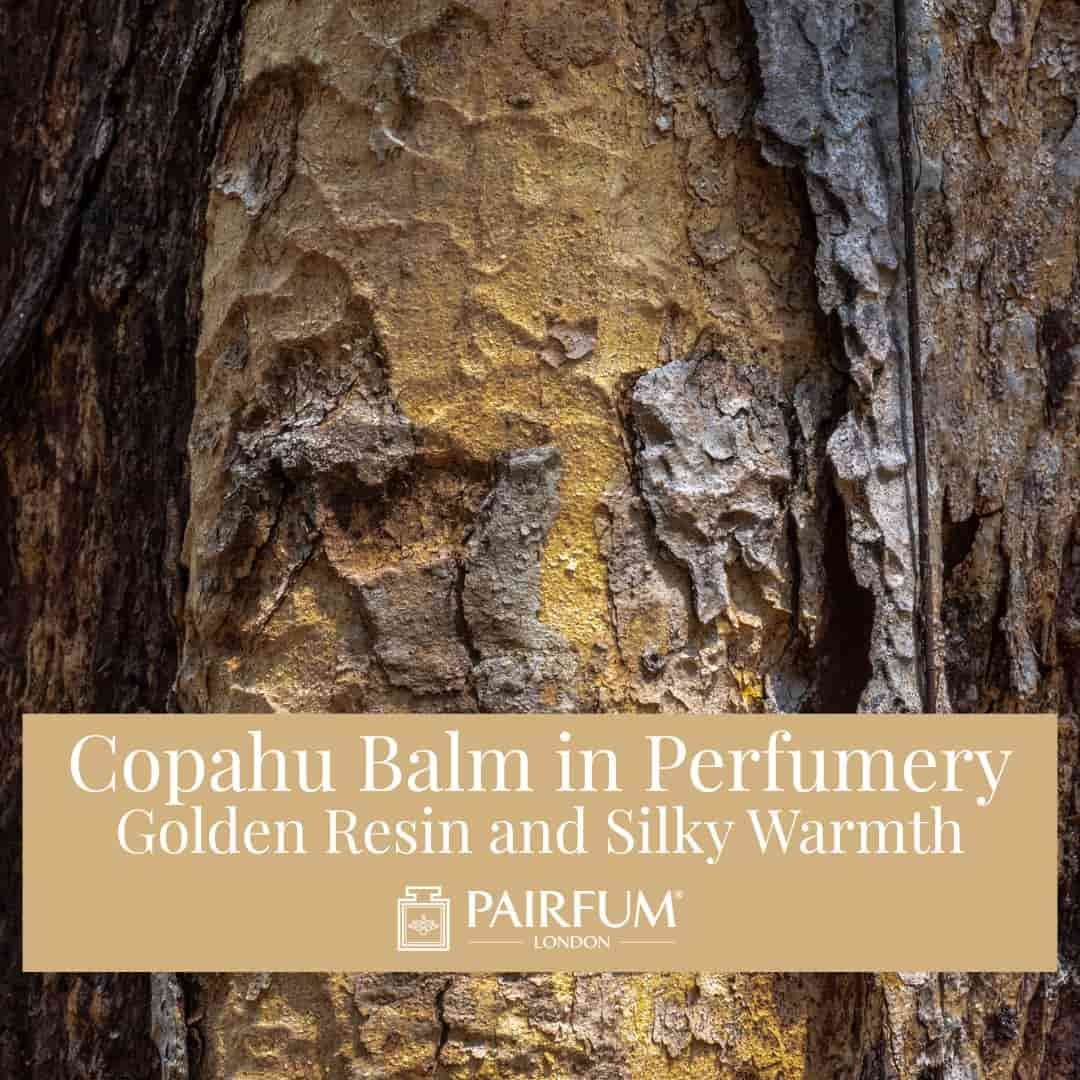
Also referred to as Copaiba Balsam or Copaiba oil, Copahu balm is a natural oleoresin harvested from the trunk of the South American Copaifera copaiba tree. It has historically been utilised for its powerful analgesic (pain-relieving), antiseptic, and anti-inflammatory qualities.
Copahu balm is drop-drawn from the copaiba tree, which is native to South America. These tall copaiba oil trees stand quietly in the rain-fed forests, offering their golden resin drop by drop. Local communities have valued this balsam resin for hundreds of years, treasuring both its aroma and gentle presence in daily life.
When it is time to gather the copaiba balsam, the tree is tapped with care. The balsam seeps out slowly, shining gold and just a little sticky. Collected with patience, this balsam has long been used not only for aroma, but wherever comfort or calm was called for. Its place in rituals and everyday routines reaches back well before the perfumery oils industry gave it a new home.
This history still sets the tone for how we use the copahu balm today. Its grounding touch and gentle depth make the copaiba balsam especially welcome as the seasons turn and autumn settles in.
Bringing raw copahu balm into perfume is a careful process. The aim is to keep its soft, woody nature alive from tree to bottle. Steam distillation and cold pressing are the most common ways to collect its oils.
Steam distillation warms the balsam gently until fragrant vapour rises, carrying oils that are then cooled and gathered. Cold pressing skips the heat, using pressure only, which helps the final aroma stay very close to the natural feel of the resin. Though slower, this process keeps all the gentle, silky notes intact.
These gentle extraction methods are valued by natural perfume makers, who want each copaiba ingredient to keep its true personality. When copahu balm acts as a subtle base, keeping its original depth and softness is vital in creating a rich yet quiet blend.
What It Smells Like: Aroma Notes and Fragrance Personality
The aroma of copahu balm is smooth and woody, rounded by just a bit of sweetness. It brings a soft depth, never sharp or overly complex. If you can picture warm wood touched by the sun, it gives a sense of how relaxing and easy the balsam feels.
When paired with other natural oils, copahu balm stands out for its flexibility. It can:
- Soften sharper notes in floral perfumes
- Add roundness to woody or earthy blends
- Support vanilla and amber for added warmth and calm
Because of its mellow personality, copahu balm works especially well in the cooler seasons. Perfumes for autumn are often built with notes that feel close to the skin. The copaiba balsam warmth adds comfort, whether found in a niche eau de parfum or creating an inviting home fragrance.

Quiet Icons: Where Copahu Balm Shines in Perfume
Copahu balm rarely claims the spotlight, yet it anchors many beloved niche and natural perfumes. Its most common role is as a quiet base, giving body and warmth to blends built around natural woods or resins. The copaiba balsam’s calm energy means it fits seamlessly in perfumes aiming for a peaceful or earthy mood.
Some well-crafted perfumes will use copahu balm in these ways:
- Layered underneath patchouli, cedarwood or sandalwood for a calming effect
- Blending into amber-focused perfumes for creamy depth
- Surrounding gentle florals to soften the overall aura
Rather than drowning out bolder notes, copahu balm ties each aroma together. It is the soft touch that helps even complex blends feel relaxed and wearable, never too green or sharp.
A Resin for the Season: Why It Works in Autumn
When October brings crisp air, perfume begins to shift, too. Copahu balm answers the call for calm and comfort. Its warmth is soothing without ever being rich or smoky. That makes the copaiba just right for the season, when many want to slow down and savour layered, quiet days.
Blended with natural oils such as labdanum, vanilla or mild spices, copahu balm creates perfumes and home aromas that feel built for autumn. In candles and reeds, its warmth settles into any room, filling the air without shouting for attention.
Perfume makers rely on copahu balm’s subtlety to guide blends into something comforting, yet never predictable. It lets each layer take a turn, keeping space open for shift and change as the day moves.
Warmth That Lingers: The Enduring Glow of Copahu Balm
What stands out about copahu balm is its gentle presence. It never fades too soon, and it never overwhelms. Instead, it leaves a silky hint on the skin, bringing a sense of warmth and ease that is personal and inviting.
Its adaptability means it belongs in both personal perfumes and home fragrance blends. Whether its job is to ground a brighter note or soften a heavy base, copahu balm quietly completes the picture. As the season cools and routines settle in, its gentle touch feels even more welcome. This one simple copaiba ingredient wraps each perfume in a glow that stays, peaceful, steady and always cosy.
Take a closer look at how we have used copahu balm in our collection of niche perfumes. This quiet, golden resin blends with ease, offering warmth and balance without overpowering. At Pairfum London, we find it brings a calm, silky finish to both woody and floral notes, which feels just right as the weather cools. If you are wondering how it might shape your own perfume preferences, we would be happy to talk.
Botanical Details of Copahu Balm and Copaiba
Before understanding how copahu balm works in modern perfumery, it helps to look at the copaiba tree itself and the variations that influence both aroma and quality. The balsam comes from several species of the copaiba tree, with two of the most recognised being copaifera officinalis and copaifera langsdorffii. These trees grow naturally in the tropical regions of South America where warm temperatures and steady rainfall support their slow-forming resin. The resin forms inside natural cavities within the trunk. It gathers over time and becomes the thick liquid known traditionally as copaiba and more widely today as copahu balm or Copaiba Balsam.
These trees are not related to rubber trees, although both produce natural liquids that gather inside the trunk. The copaiba balsam tree produces an oleoresin that holds both oil and resin in one substance. This copaiba oleoresin has been tapped for centuries and remains the source of copahu balm, Copaiba Balsam and copaiba oil. Each species produces a slightly different balance of aroma and texture. Some produce a softer and sweeter Copaiba Balsam while others create a deeper and more resin-focused copaiba oleoresin. These natural variations help perfumers select the exact character they want when working with this traditional remedy in a modern setting.
Within the trunk of the tree, the main constituents of the resin develop slowly. These include natural compounds like beta caryophyllene, which is widely recognised in aromatherapy, and other gentle terpenes that contribute to the odour description of the balsam. These constituents create the soft woody feeling that runs through many copaiba related products. This natural development of resin is one reason why oils from the copaiba tree have been valued for so long. The gentle aroma owes much to the tree’s own slow process.
Historical and Cultural Uses
Long before copahu balm and Copaiba Balsam found their place in perfumery, they held an important role in daily life among communities across South America. For many generations, the copaiba balsam tree was appreciated for more than its aroma. People used the copaiba oleoresin as a traditional remedy, applying small amounts directly to affected areas on the skin. In some communities, it was used on wounds or affected areas where discomfort was felt. Others warmed the balsam in simple preparations, allowing a drop of the oleoresin to ease sore muscles.
The balsam was sometimes mixed with water or combined with local plant materials to create simple lotions that could be applied to the skin or even used on the mucous membranes. Although traditions varied from region to region, the gentle quality of Copaiba Balsam made it a suitable choice for families who sought comfort when dealing with inflammation or skin conditions caused by daily life in warm climates. This practical use established copaiba as an ingredient that carried both familiarity and trust, which continues today when people seek natural options such as copaiba balsam essential oil or copaiba balsam oil in modern wellness stores.
Over time, copaiba oil became a traded material. As merchants travelled between regions, they carried oleoresin in small wooden containers. It was valued not only as a topical oil but also as a substance that burned cleanly when exposed to a flame. This helped lend it a place beside other historical resins such as frankincense. Even though frankincense developed a far broader ritual use, copaiba remained known as a resin that brought relaxation and quiet comfort.
Differentiation from Similar Resins
For readers who are learning about copahu balm for the first time, it can be helpful to understand what sets it apart from other common balms and resins. Many people assume it is similar to copal or to thicker balsamic resins like benzoin or labdanum. While these raw materials share a general place in natural perfumery, each one behaves quite differently.
Copal is often harder and more brittle than copahu balm or Copaiba Balsam. It melts at higher temperatures and tends to produce a sharper aroma. Benzoin and labdanum are thicker, sweeter and more resinous, sometimes leaning into sticky or honey-like notes. Copahu balm sits in a gentler space. Its oil-rich nature gives it a smoother texture than most other raw materials in this category. Rather than feeling heavy or intense, it remains understated. Even copaiba balsam essential oil, which is more concentrated, avoids the dense feeling associated with other aromatic resins.
Another distinctive feature is the lack of smokiness. Some resins carry a slight turpentine note, which can become strong when heated. Copahu balm and Copaiba Balsam tend to avoid this, offering a cleaner and more rounded effect. This makes them especially useful when the aim is to achieve warmth without weight.
Olfactory Classification and Odour Description
In the world of perfumery, every raw material is given a place within a broader aromatic family. Copahu balm and Copaiba Balsam are usually placed within the woody and balsamic group. Their gentle sweetness and soft depth give them an easy fit among other warm oils, but they do not dominate the way heavier balsams sometimes can.
The odour description of copahu balm often includes soft wood, warm earth, a mild hint of sweetness and a slightly creamy tone. It does not take the lead in most compositions. Instead, it acts as a smoothing base that supports brighter notes. For example, when blended with ylang ylang, it creates balance by softening some of the floral intensity. When combined with natural raw materials like frankincense or soft spices, it blends into the structure without drawing attention to itself. This is one reason why perfumers value copaiba so highly. It behaves helpfully and cooperatively, ensuring that no single element appears too sharp.
Within this classification, copaiba oil and copaiba balsam essential oil can offer slightly different results. The essential oil often feels a bit lighter and more diffusive, while the thicker balsam remains closer to the skin. Perfumers sometimes use both forms to achieve dimension. Since both the oil and the balsam come from the same copaiba tree, they complement each other naturally.
Perfumery Usage Guidelines
Working with copahu balm in perfumery requires an understanding of how it behaves in blends. Although it is considered one of the more forgiving balsamic raw materials, it still deserves careful handling. In alcohol based perfumes, copahu balm dissolves easily and behaves predictably. It can be used at low percentages when a perfumer wants just a trace of warmth, or at higher levels when a deeper foundation is required.
When combining it with essential oils or natural isolates, perfumers often pair copaiba with vanilla, cedarwood, sandalwood or florals that benefit from gentle smoothing. It rarely clashes with others and does not require solvents or complex preparation. It blends readily, whether the formula aims for earthy tones or a more airy character. Its behaviour is often compared to mild carrier oil ingredients because of its natural softness, although it is not used in the same way.
Copaiba oil is slightly thinner and offers more lift, making it suitable when a perfumer wants the warmth to extend a little into the heart of the composition. Copaiba Balsam or copaiba balsam oil sit more firmly in the base. Some formulas combine the oil, the oleoresin and the balsam in small amounts to create a layered structure.

Applications Beyond Fine Fragrance
Beyond perfumery, copahu balm and Copaiba Balsam have been used in a variety of everyday preparations. In aromatherapy, they appear in blends aimed at relaxation and comfort. Their gentle scent makes them an easy companion to other calming materials. When used in a massage blend, they add a smooth texture. Some therapists also use the copaiba oil for massage on affected areas where the client feels sore muscles or mild discomfort. Copaiba oil, being naturally soft and smooth, spreads easily in massage and adds warmth to the skin.
In skin care, copaiba related products have long been used in lotions or oils aimed at soothing the skin. Some people apply a small amount to affected areas related to inflammation or mild skin conditions. Others rely on copaiba balsam oil as part of a simple homemade lotion. While modern products follow strict safety guidance, these uses remain inspired by traditions that stretch far back.
It is also common to see copaiba oleoresin in natural ointments or balsams where its calming properties are appreciated. Some families across South America have even used it to reduce the appearance of stretch marks or to soothe minor discomfort. These uses continue today, although modern guidance encourages patch testing on the skin before applying to larger areas.
Consumer Benefits and Everyday Appeal
Many people discover copahu balm and Copaiba Balsam not through perfumery but through everyday wellness or home use. One of the most appreciated qualities is the sense of relaxation that the aroma brings. Even a small amount on the skin creates a feeling of calm that lingers without becoming heavy. This quiet effect makes copaiba oil and other copaiba related products appealing to anyone who prefers gentle aromas over strong or sharp fragrances.
The warm tone of copaiba also means it pairs well with familiar scents. When used in aromatherapy, it is often mixed with lavender, citrus oils or floral materials such as ylang ylang. These blends are valued for easing tension and helping the mind slow down. A simple massage using copaiba oil or a lotion scented with Copaiba Balsam can add comfort when the body feels tired. Many people use it on sore muscles after activity or apply a small amount to affected areas where they seek relief.
Its softness also makes it suitable for sensitive skin. While every person responds differently, Copaiba Balsam and copaiba balsam essential oil are often found in natural skin care because they are gentle, lightly moisturising and easily absorbed. Some people use them to soothe dry patches or to support the skin after exposure to the sun. The mild nature of the oleoresin helps explain why it has remained a trusted traditional remedy throughout the generations.
Seasonal Fragrance Trends and Why Copahu Balm Fits
There is a clear pattern in fragrance preferences as the year moves from summer into autumn. Many people turn from bright citrus and airy florals toward notes that feel closer to the skin. Warmth becomes desirable. This shift is why copahu balm, Copaiba Balsam and copaiba oil rise in popularity during the cooler months.
Autumn often brings an interest in woody bases, gentle spices and earthy tones. Copaiba supports all of these without adding heaviness. When perfumers build seasonal blends, they look for raw materials that sit comfortably under vanilla, amber, resin or soft woods. Copahu balm fits naturally in this role. Its subtle character allows deeper ingredients to shine without creating an overpowering structure. It also blends well with incense-like raw materials such as frankincense, giving a grounded feeling that suits the mood of autumn.
During winter, the appeal continues. People often seek fragrances that offer comfort, warmth and a sense of shelter. Copaiba Balsam and copaiba oleoresin help deliver this through their soft sweetness and steady presence. Even in home aromas such as candles or room sprays, the gentle nature of copaiba prevents the space from feeling overwhelmed. Instead, it creates a quiet glow that complements the season.
A Closer Look at Copaiba as a Raw Material
Understanding the qualities of copahu balm and Copaiba Balsam becomes easier when we look at them as raw materials. The oleoresin that comes directly from the copaiba tree is a natural mixture of oil and resin. This balance is what gives it such unique behaviour. It is fluid enough to be tapped without heat, yet resinous enough to hold depth on the skin. This also means that copaiba can be used directly or refined through distillation into copaiba balsam essential oil or copaiba oil.
The process of distillation separates lighter aromatic compounds from the thicker balsam. This produces an essential oil that is more suited to aromatherapy or blending into massage oil. The thicker balsam remains rich and grounding, making it popular in perfumery and skin care. Since no harsh solvents are needed, both forms retain their gentle character.
Copaiba’s history as a raw material is long. As traders moved across regions, the balsam was exported in small wooden containers or clay jars. It was often listed alongside other valuable resins and balsams. Its mild aroma and versatility made it easy to include in preparations for the skin, in early medicinal recipes and even in mixtures used for massage. It was sometimes used to ease pain or to soothe wounds that needed simple but gentle care. Even today, many natural practitioners appreciate copaiba for the same reasons.

Why Copaiba Remains Distinct Among Natural Ingredients
Many natural ingredients offer warmth, yet copaiba stands out because of its balance. Some woody materials can feel sharp, while some balsams can feel sticky or dense. Copaiba Balsam avoids both extremes. It sits comfortably in the middle, where it adds support without drawing attention. Perfumers often comment that copaiba behaves like a quiet linking note. This means it helps separate ingredients to join smoothly so that nothing feels abrupt.
Another advantage is the versatility of copaiba oil. It can be used in aromatherapy, massage, skin care and even in simple at-home blends created with everyday oils. This makes it one of the more widely used natural balsams. Many people keep it in small bottles to apply to affected areas of the skin or mix it into a massage blend for relaxation. Even though scientific understanding continues to develop, the long-standing cultural use offers reassurance to those exploring natural options.
An Iconic Copahu Balm Home Fragrance Base Note With Pairfum London
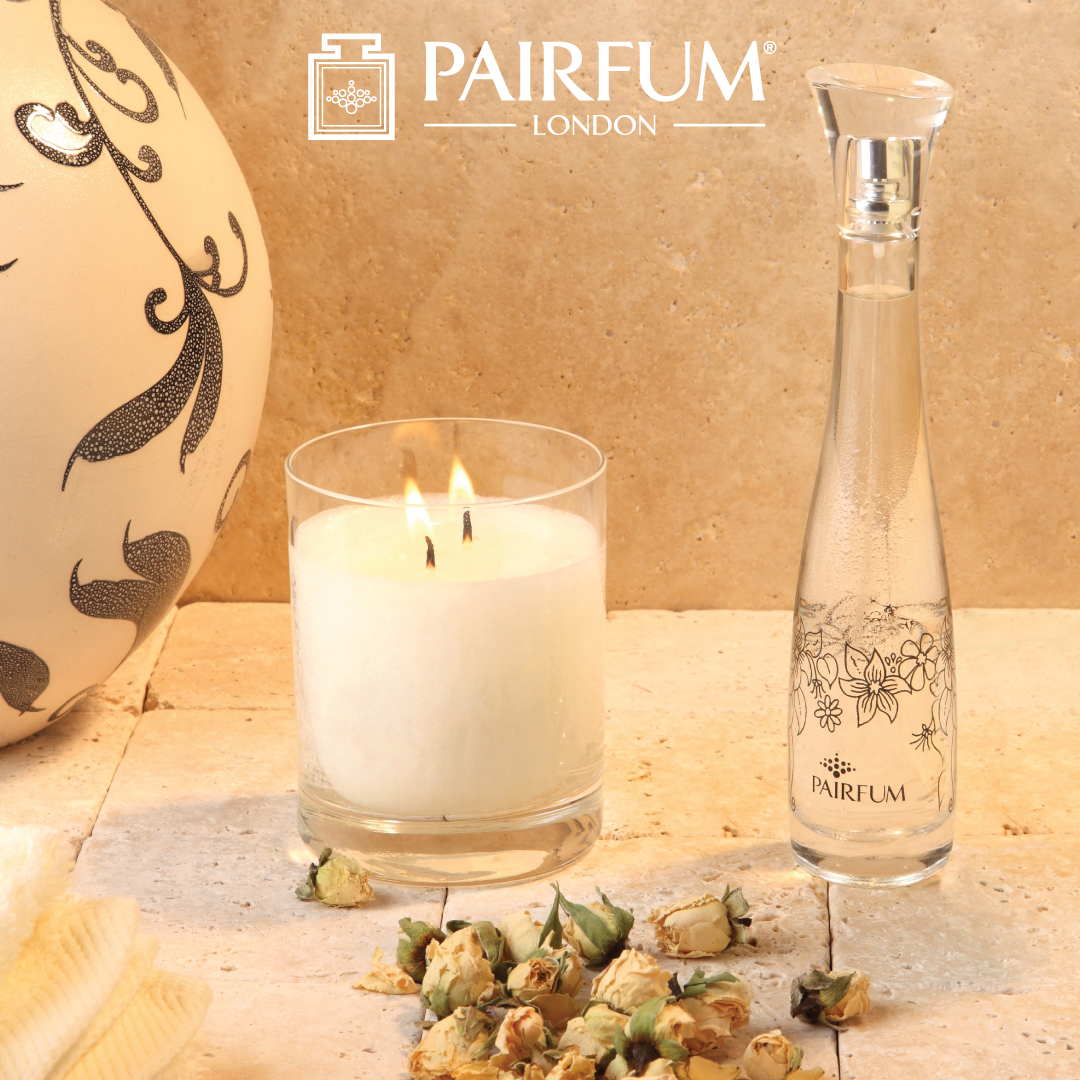
Black Orchid – Perfume Room Spray by Pairfum London
A deep, Eastern-inspired fragrance opens with Anjou Pear, Dark Cassis, and a bright Orange Slice at the top. The centre features an elegantly floral heart of Black Orchid and Powdery Violet. It finishes with a divinely alluring base comprising Musk, Copahu Balm, and Vanilla Pod.
A Resin with a Gentle Presence
Among the many balsams and resins available today, copahu balm and Copaiba Balsam remain quietly distinctive. Their long history, subtle aroma and natural affinity with other oils make them well-suited to both perfumery and everyday use. From simple massage to aromatherapy to seasonal fragrance blends, copaiba adds a steady and peaceful warmth wherever it is used.
As interest in natural materials continues to grow, more people are discovering why copaiba has been valued for so many generations. It offers softness without weakness, warmth without heaviness and a gentle glow that lingers on the skin. Whether enjoyed in a fragrance, a lotion, a balsam or as part of a ritual for relaxation, its enduring appeal shows no sign of fading.