
Magnolia in Perfumes: Creamy Citrus Floral Grace


Magnolia in perfume has a way of appearing quietly. It does not rush forward or dominate the senses. Instead, magnolia settles into a fragrance with a soft, creamy floral glow that sits somewhere between citrus freshness and smooth petals. There is brightness, but it is gentle. Magnolia never overwhelms.
That quality feels particularly welcome in December and January. As days shorten and the air turns colder, many people look for a fragrance that brings comfort without becoming heavy. Magnolia does exactly that. It offers lift without sharpness and warmth without sweetness, which is not always easy to achieve.
Magnolia does not shout. It has a calm presence that feels grounded and luminous at the same time. Rather than bold spice or sugary notes, magnolia leans towards creaminess, like petals opening with just a hint of lemon. Once recognised in a perfume, magnolia tends to linger in memory.
Over time, magnolia has become more familiar in fine fragrance. It suits those who enjoy subtle floral notes, especially during winter when many perfumes lean towards deep or intense. Magnolia provides an alternative. Quiet, elegant, and easy to live with. To understand why, it helps to look at where magnolia comes from and how it is used.
A Flower with a Story: Magnolia’s History in Perfumery
Magnolia belongs to one of the oldest groups of flowering plants on Earth. Fossil records show that magnolia species existed long before bees appeared, which explains some of their unusual botanical traits. There is something steady about magnolia, shaped by time rather than fashion.
The name Magnolia was introduced in the seventeenth century by a French botanist, in honour of Pierre Magnol. From botanical classification, magnolia slowly entered wider cultural awareness and eventually perfumery.
- Magnolia appeared early in perfume within traditional floral blends.
- Magnolia was often paired with rose or jasmine to soften compositions.
- Later fragrances began to highlight magnolia for its freshness and clarity.
Magnolia trees are native to both Asia and North America. This wide distribution allowed magnolia to develop through different traditions. In China and Japan, magnolia flowers were valued for their aroma long before modern extraction existed. In the southern United States, the southern magnolia became a recognisable flowering tree, admired for its scent as much as its appearance.
What Does Magnolia Smell Like?
Magnolia has a scent that is appealing but not obvious. It feels creamy and floral, yet light. Often, there is a soft citrus edge that gives magnolia lift.
- Magnolia commonly suggests creamy white petals with a gentle lemon tone.
- Some magnolia species show green or tea-like nuances.
- In perfume, magnolia usually balances rather than dominates.
Unlike heavier florals, magnolia rarely becomes cloying. It works well with citrus, woods, and musks, helping perfumes feel composed. This makes magnolia an easy choice for everyday wear, even for those who usually avoid floral fragrance.
The Types and Oils of Magnolia Used in Perfumes
There are more than two hundred magnolia species, ranging from low shrubs to tall evergreen forms. Only a small number are used in perfumery, selected for scent quality and stability.
- Magnolia grandiflora is one of the most common types, valued for its creamy, lemon-tinged aroma.
- Magnolia grandiflora may be listed as M grandiflora in ingredient details.
- Michelia alba offers a softer, more rounded floral character.
Oils are produced through solvent extraction or distillation. Magnolia absolute captures richness, while isolates allow perfumers to focus on specific facets. Growing conditions also matter. Magnolia grown in the southern United States develops slightly different characteristics from magnolia cultivated elsewhere.

Magnolia as a Plant, Tree, and Garden Presence
Magnolia is appreciated beyond fragrance. As a plant, magnolia is widely used in gardens for its form and seasonal interest.
Magnolia plants may grow as a shrub or develop into a small tree. Some species mature into larger magnolia trees with broad canopies and thick, glossy leaves.
- Magnolia stellata, also known as star magnolia, suits smaller gardens.
- Star magnolia flowers in early spring on bare branches.
- Other magnolia trees bloom in late spring or early summer.
Magnolia grows slowly and lives long. Many magnolia plants can begin life in pots before being planted out. The golden globe cultivar is known for its rounded shape and soft colouring.
Leaves, Pollen, and the Seasonal Cycle
The leaves of a magnolia tree are distinctive. Thick and leathery, they often remain glossy throughout the year, giving structure even when flowers are absent.
Magnolia pollen is heavy and sticky. This reflects magnolia’s ancient origins, as the plant evolved to be pollinated by beetles rather than bees. Magnolia is an early example of a flowering tree adapted to insect behaviour.
The seasonal rhythm is unhurried.
- Flower buds appear in late summer.
- Blossoms open in early spring, late spring, or early summer.
- Leaves mature through spring and remain into autumn.
This slow pace contributes to magnolia’s reputation for reliability.

Magnolia in Film and Popular Culture
Magnolia also appears in modern culture through film. The film Magnolia, released in 1999, is set in Los Angeles and the San Fernando Valley. The film explores coincidence, emotional connection, and unresolved pain.
The film Magnolia features an ensemble cast including Julianne Moore, William H Macy, Melora Walters, and Ricky Jay. Characters such as Frank TJ Mackey, Earl Partridge, Jimmy Gator, Stanley Spector, and Jim Kurring form the emotional framework.
Aimee Mann’s music shapes the tone of the film. While Stanley Kubrick was not involved, the film’s ambition has often prompted comparison. Links to Boogie Nights are also noted because of shared creative history.
Magnolia as Symbol and Character
In literature and film, magnolia often symbolises dignity and restraint. The magnolia tree, with its strong leaves and enduring structure, becomes a quiet metaphor for continuity.
Within the film Magnolia, each character reveals fragility beneath composure. Frank Mackey, also referred to as Frank TJ Mackey, captures this tension. Magnolia functions as a device that connects emotional exposure with resilience.
The Winter Appeal of Magnolia
Magnolia works particularly well in winter.
- Magnolia brightness lifts cold air.
- Magnolia creaminess brings comfort.
- Magnolia avoids heaviness or excess sweetness.
In winter, magnolia feels reassuring rather than dramatic. It hints at spring without feeling out of place, offering balance during darker months.

Magnolia’s Role in Popular Fragrances
Magnolia plays a versatile role in perfume.
- Magnolia blends well with woods, citrus, and musks.
- Magnolia softens stronger florals.
- Magnolia can lead or support.
Because magnolia sits between floral and citrus families, it adapts easily across styles. Its presence often adds refinement without demanding attention.
Iconic Magnolia Perfumes
Chanel – Les Exclusifs Eau de Cologne
A citrus floral composition where magnolia adds softness beneath freshness, keeping the fragrance polished.
Frederic Malle – Eau de Magnolia
Magnolia sits at the centre, framed by citrus and woods, allowing its clean character to remain clear.
Acqua di Parma – Magnolia Nobile
Magnolia blends with citrus and white flowers, creating a refined and radiant floral perfume.
Magnolia With Pairfum London – Personal & Home Fragrances
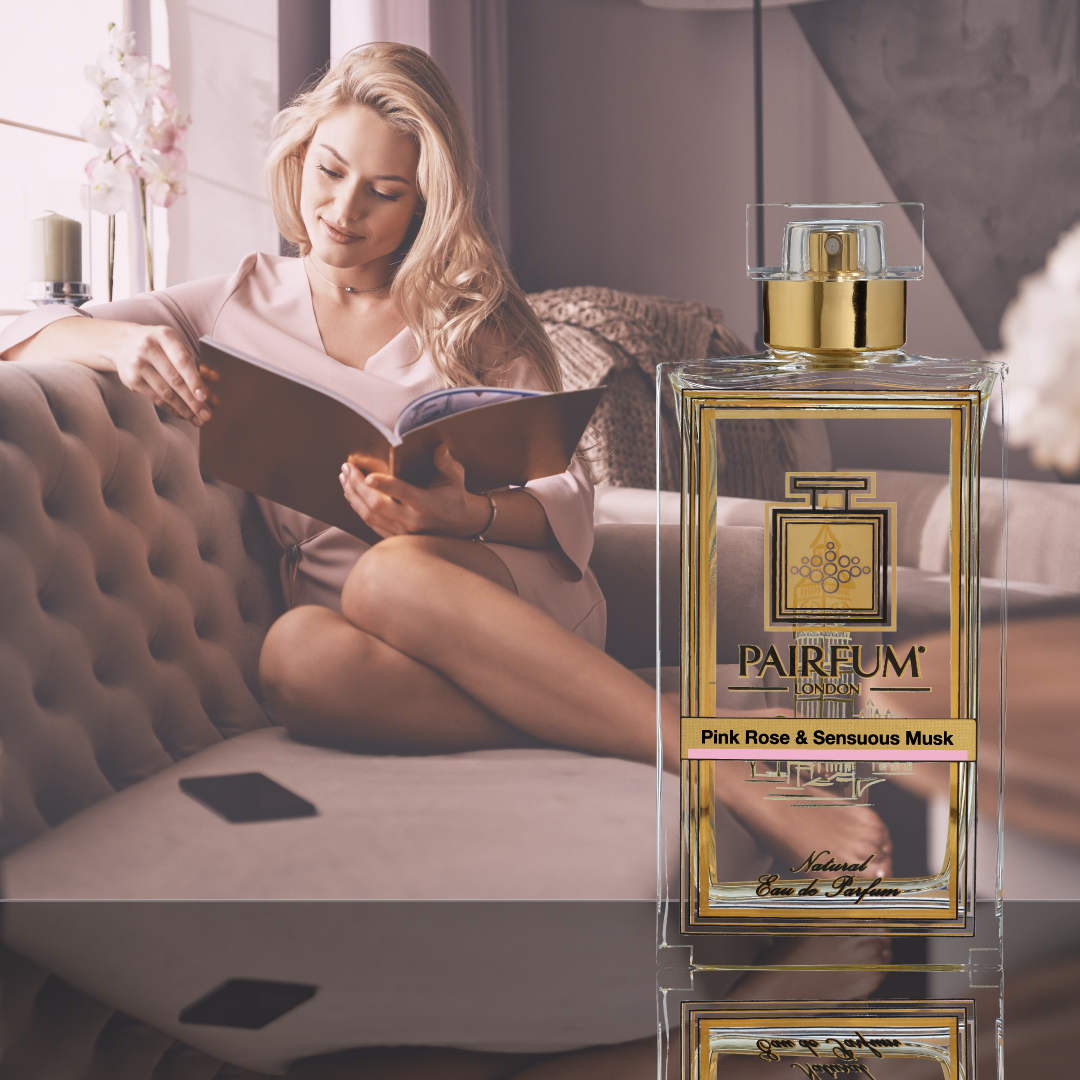
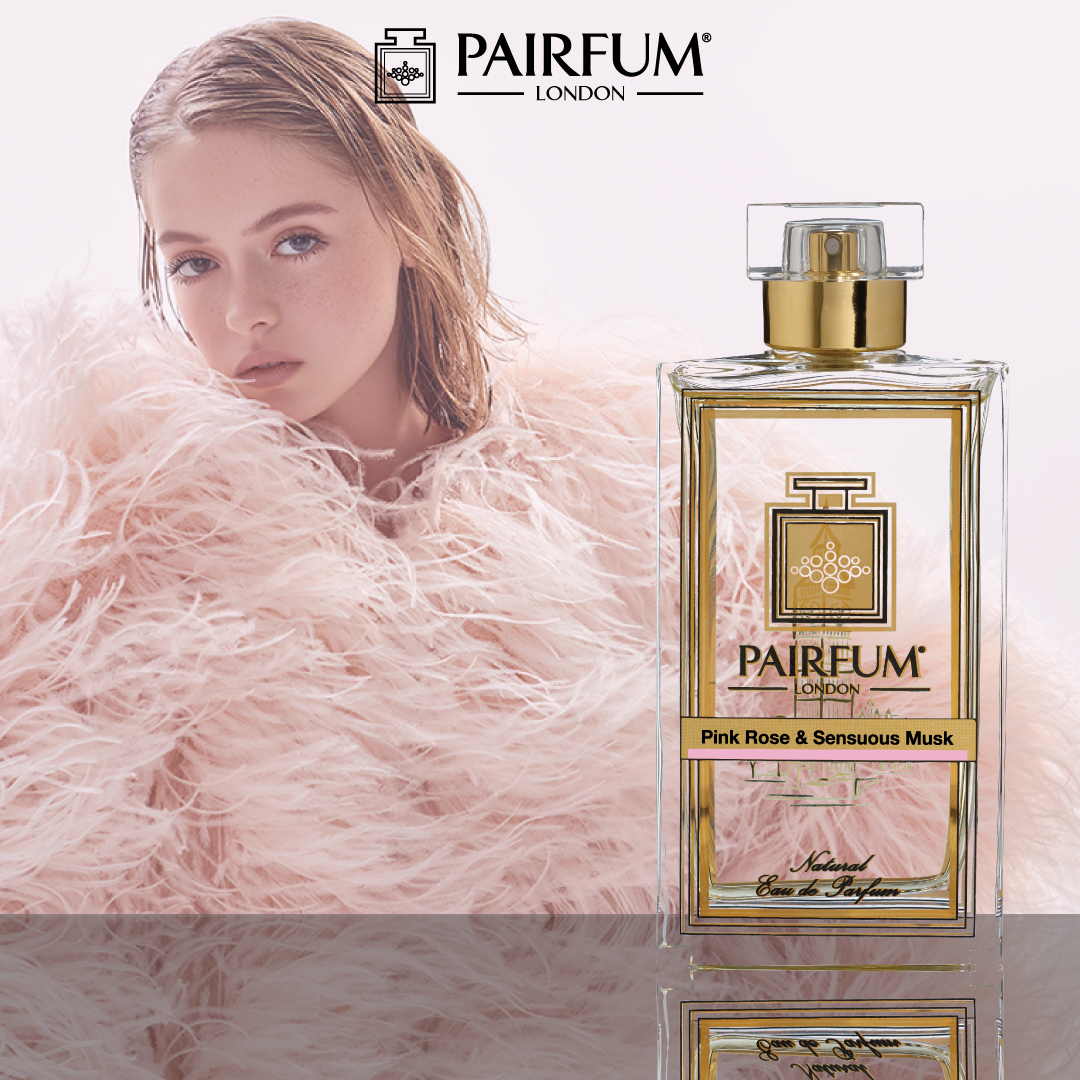
Pink Rose & Sensuous Musk – Eau de Pairfum by Pairfum London
Fruity Peach lifts Sparkling Lemon and Lime. The heart combines Pink Rose, Magnolia, and Frangipani, supported by Sensuous Musk, Amber, and Precious Woods.
Magnolias In Bloom – Sleep & Pillow Spray by Pairfum London
A Spring Flowers accord opens with Ozone, White Flower Petals, and Watery Melon. Magnolia blends with Lily, Geranium, Rose, and Violet, resting on Musks and Rosewood.
A Fragrance That Feels Like Grace
There is something quietly lasting about magnolia. As a plant, a tree, a film title, or a perfume note, magnolia carries balance.
Even when written incorrectly as ‘mangnolia’, the meaning remains. Magnolia shows that subtlety can endure. From bare branches in spring to creamy floral notes worn in winter, magnolia continues to offer beauty that feels calm, thoughtful, and timeless.