
What Are Green Notes in Perfume? – Experimental Perfume Club

By Emmanuelle Moeglin, Founder & Perfumer
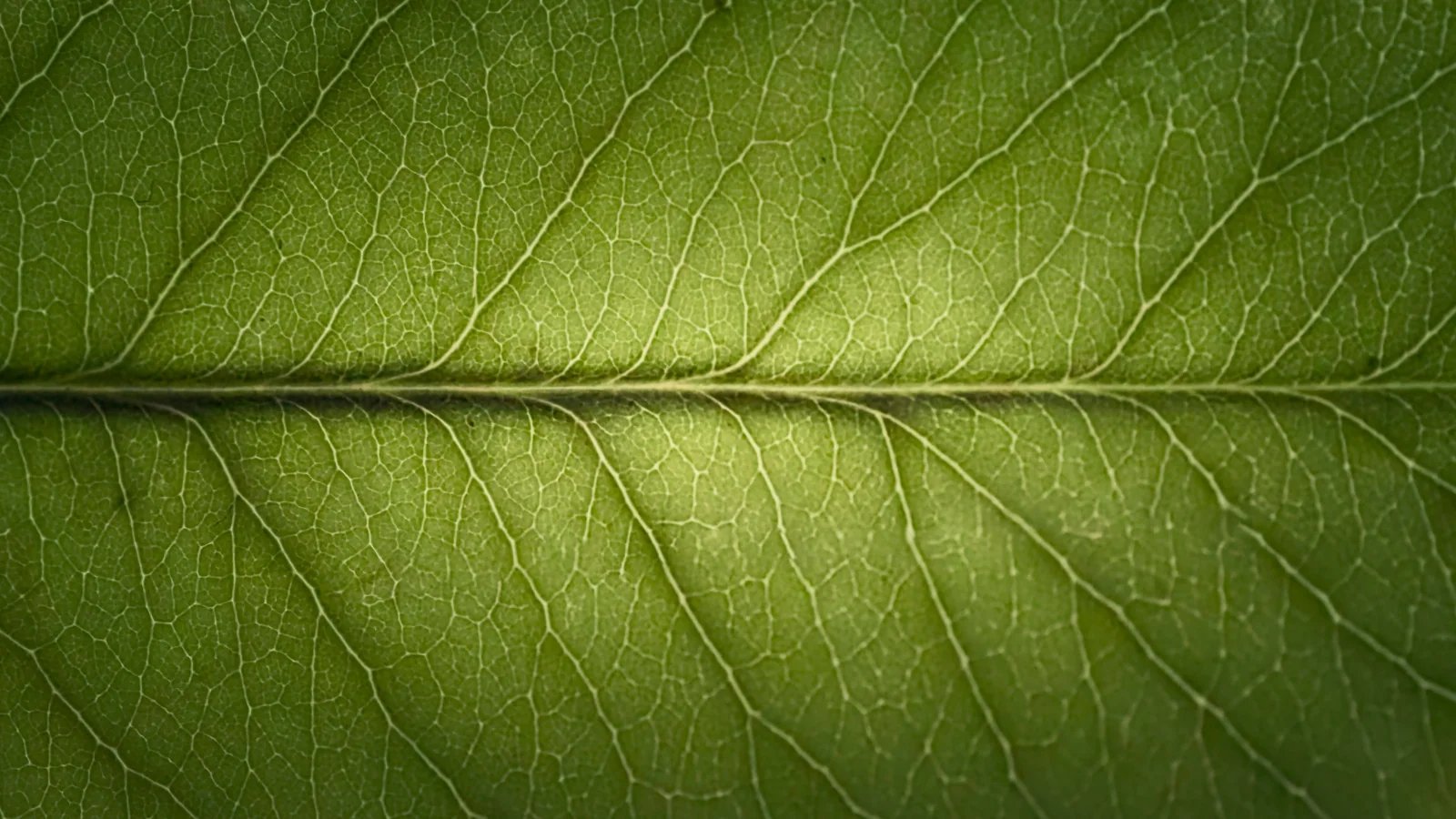
Green notes bring a fresh, crisp and natural facet to a fragrance. Imagine breathing in freshly cut grass, crushed leaves and vibrant foliage in spring: that uplifting, invigorating effect is what green notes create.
And here is the lovely paradox: while they can be sourced from naturals, most green notes in modern perfumery are recreated using synthetic molecules. Synthetics emulating nature, which says a great deal about the artistry behind fragrance creation.

The key molecules behind green notes
One of the most iconic molecules in this category is cis-3-hexenol, a naturally occurring compound found in plants. It is responsible for the smell of freshly cut grass, adding a raw, dewy quality to perfumes, and it is widely used in floral compositions to make them feel fresher and more realistic.
Another fine example is Cassis Base, a crafted accord rather than a single molecule, used to recreate the scent of blackcurrant leaves. Created by Firmenich, it brings a rich, green and slightly fruity quality, bridging green and fruity worlds, which makes it valuable in both fresh and more sophisticated fragrances.

Crushed leaves: the raw, dewy green of cis-3-hexenol.
The unique scent of fig leaf
Fig leaf is a classic green scent used in countless modern fresh fragrances, and another fascinating case of greenness recreated synthetically, often with a molecule like Stemone. Unlike citrus or floral notes, fig scent does not come from a direct natural extract; it is composed from various molecules that mimic the fresh, milky and earthy character of fig leaves. Green leafy notes, lactonic elements and woody facets combine into a fig that feels both lush and natural.

Fig scent does not come from a natural extract; it is composed.
Naturally occurring green notes
While synthetics dominate the green category, a handful of naturals provide authentic green tones, and they tend to be intense in both scent and colour. Buchu, a plant native to South Africa, is known for its intensely herbal, green aroma. Other natural sources include galbanum, violet leaf absolute and mate tea, each offering a different facet of greenness, from crisp to earthy.
Green materials at a glance
Material · Type
Smells like
cis-3-hexenol
Synthetic (also in nature)
Freshly cut grass, raw and dewy
Cassis Base
Synthetic accord (Firmenich)
Blackcurrant leaf, green-fruity
Fig leaf, green and milky
Intense, bitter, deep green
Violet leaf absolute
Natural
Green, leafy, cucumber-fresh
Herbal, blackcurrant, intense
How perfumers use green notes
Perfumers use green notes to inject vibrancy and a sense of nature into a composition. In floral fragrances they sharpen the freshness of the blossoms; in woody fragrances they add contrast, an earthy and slightly bitter edge against the richness of resins. Largely synthetic though they are, green notes successfully recreate the smell of gardens, fields and forests, bridging olfactory artistry and the natural world.

Gardens, fields and forests: the green that perfumers recreate.

Wear green with EPC
With our Art of Blending concept, you can explore green scents in their purest form, or layer them into a scent uniquely yours:
On its own
Fig Neroli captures green minimalism, with fig, orange blossom and earthy vetiver.
Woody and deep
Fig Neroli layered with Cedarwood Absinth deepens the green with woody, leathery, absinthe-tinged intensity.
The Art of Blending
Two Essentials, one Blend
Keep exploring
More from the Journal
Frequently asked questions about green notes
What are green notes in perfumery?
Fresh, crisp, leafy notes that evoke cut grass, crushed leaves and foliage. They add a natural, invigorating lift to a fragrance.
Are green notes natural or synthetic?
Mostly synthetic. Molecules like cis-3-hexenol recreate green freshness, though some naturals (galbanum, violet leaf, buchu) are used too.
What does cis-3-hexenol smell like?
Freshly cut grass: raw, dewy and green. It is one of the defining molecules of the whole category.
How is fig leaf made in perfume?
Not from a direct extract. It is built from molecules such as Stemone, combining green, milky and woody facets into a realistic fig.
Which natural ingredients give green notes?
Galbanum, violet leaf absolute, buchu and mate tea, each offering a different shade of green, from crisp to earthy.
What fragrances use green notes?
Fresh, clean and sophisticated scents. Green notes brighten florals and add contrast to richer woody compositions.
Emmanuelle Moeglin is the founder and perfumer of Experimental Perfume Club. Classically trained at ISIPCA, with 20 years in the fragrance industry, she is a member of the French Society of Perfumers, a multi-award-winning creator and a public speaker, and teaches perfumery from our central London lab.
Love a fresh, green scent? Try Fig Neroli, green minimalism in a bottle, get to know the materials with the Creation Set Olfactory Library, or learn to build green accords on our Fundamentals of Perfume Creation programme.
